
Drip Irrigation System 22 acres with Complete Installation
*Product may look slightly different from the picture.
Drip Irrigation System 22 acres with Complete Installation
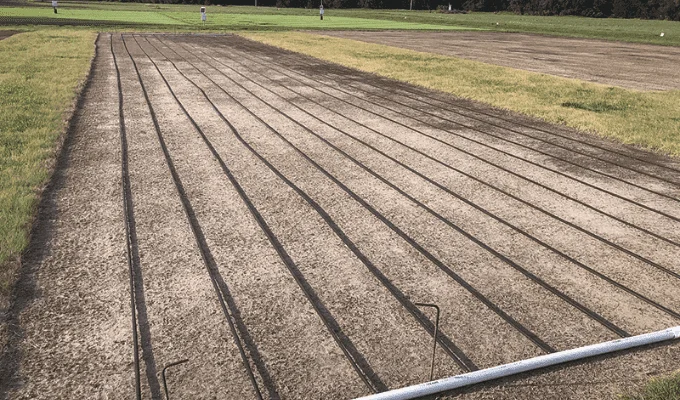
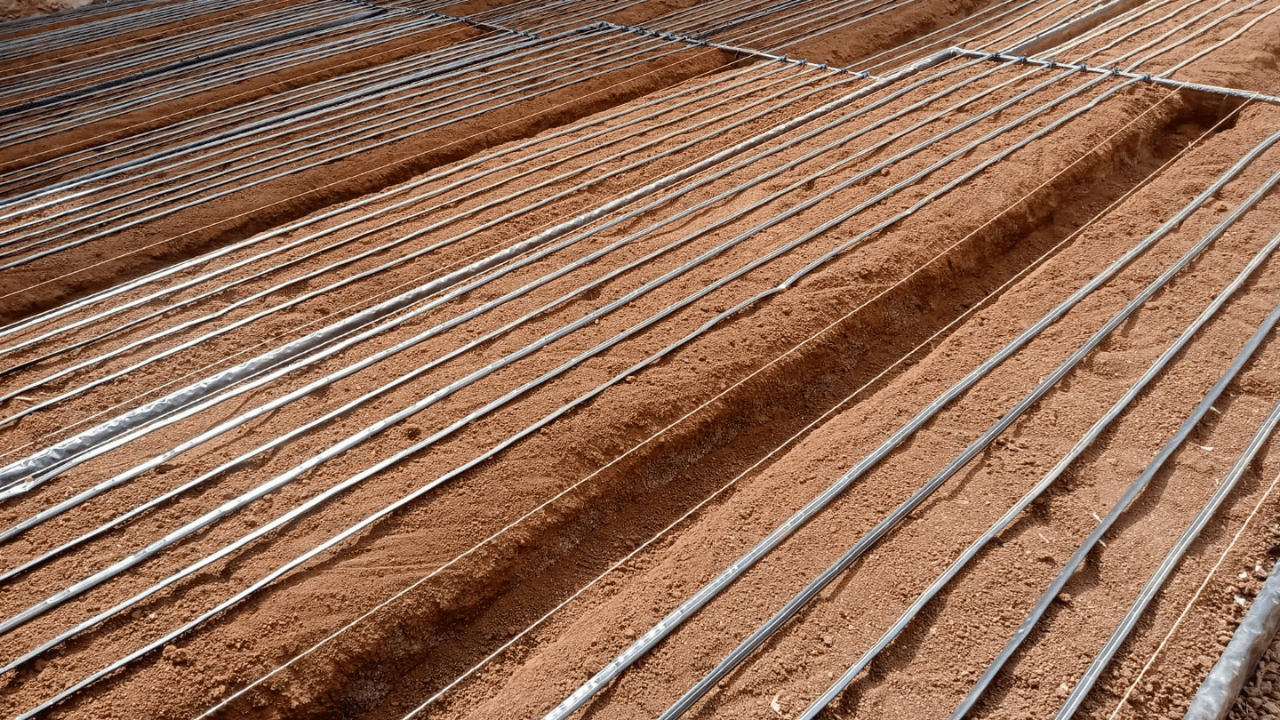
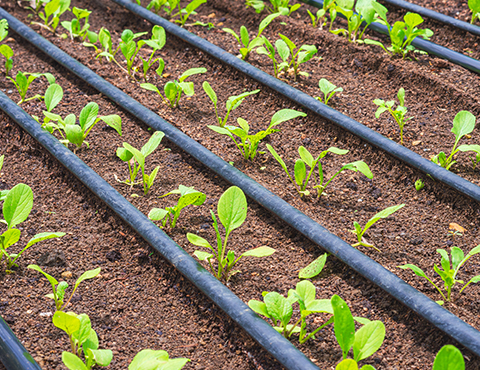
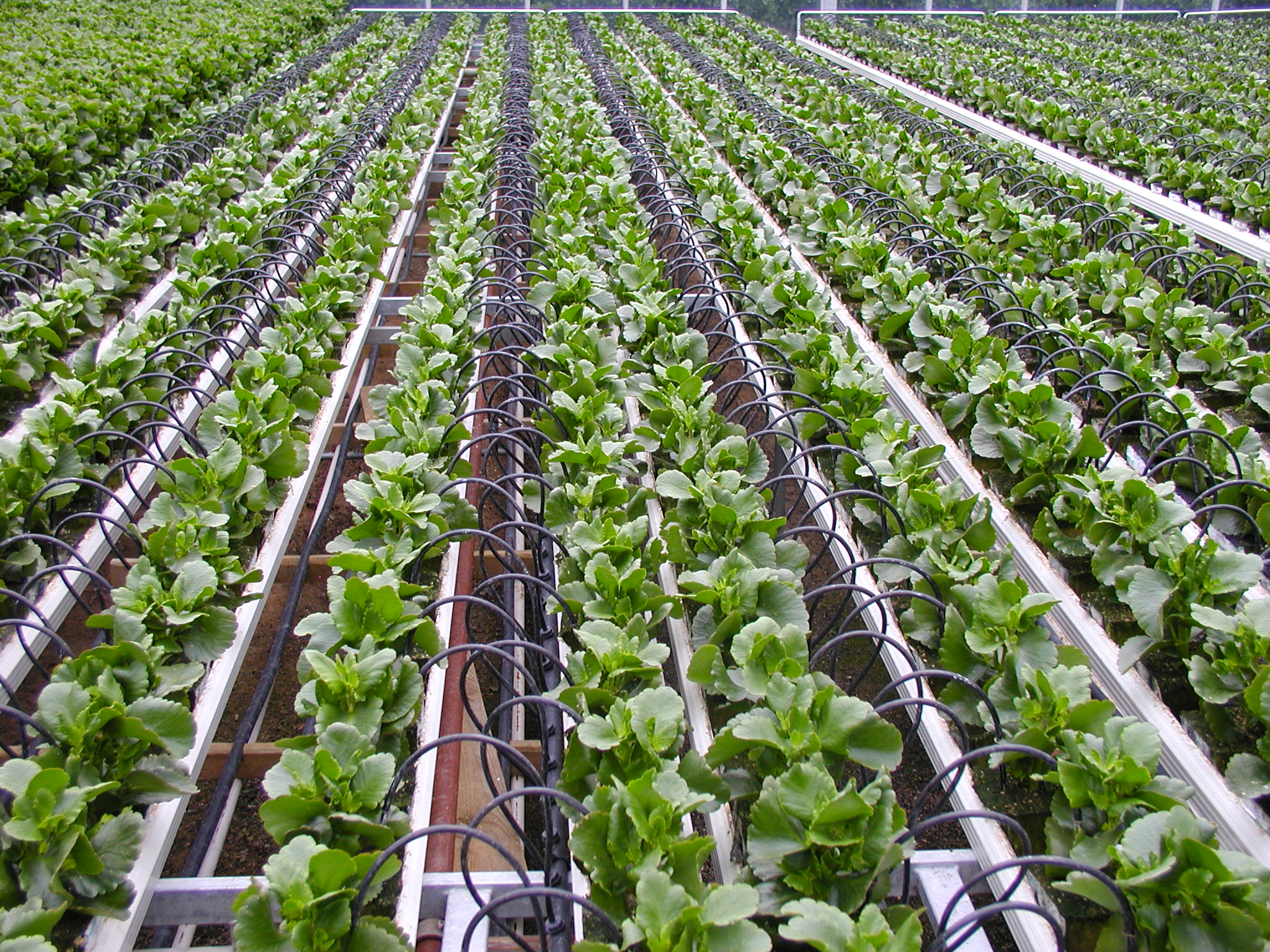
High-efficiency drip irrigation system for 22 acres with complete installation. Delivers water directly to roots, saving up to 60% water and improving crop yields. Includes pump, filtration, pipelines, emitters, fertigation unit, automation options, and farmer training. Ideal for orchards, vegetables, row crops, and greenhouses.
Price:
₨ 17,000,000.00
A drip irrigation system for 22 acres with complete installation is a modern, water-efficient solution designed to deliver water directly to the root zone of crops. Unlike traditional methods where water is spread over the entire surface, drip irrigation ensures that each plant receives the right amount of water and nutrients at the right time. This system minimizes water wastage, conserves soil fertility, and boosts crop yields while lowering operational costs.
Engineered for reliability and long-term performance, the system comes with full survey, hydraulic design, pumping and filtration unit, underground piping network, laterals with emitters, fertigation capability, installation, and training. It is ideal for row crops, orchards, vineyards, vegetables, and even greenhouses.
Why Drip Irrigation for 22 Acres?
-
Precision Watering: Supplies water drop by drop, directly to the plant roots.
-
Water Savings: Reduces water use by up to 60% compared to flood irrigation.
-
Fertilizer Efficiency: Allows fertigation (nutrient delivery with water), reducing chemical waste.
-
Weed Reduction: Water is applied only to crop rows, discouraging weed growth.
-
Improved Crop Yield & Quality: Uniform moisture improves germination, plant health, and fruit quality.
-
Flexibility: Suitable for almost all soil types and topographies.
Complete Installation Includes
-
Field Survey & Design
-
Mapping of 22 acres with soil analysis and crop water requirement study.
-
Hydraulic design to calculate discharge, pressure, and lateral layout.
-
-
Pump & Power Unit
-
Pump designed to supply adequate flow and pressure for the drip system.
-
Options for electric, diesel, or solar-powered pumps.
-
Includes suction pipe, delivery pipeline, valves, and pressure gauges.
-
-
Filtration System
-
Vital to prevent clogging of emitters.
-
Combination of sand media filters, screen filters, or disc filters.
-
Equipped with backwashing units for easy cleaning.
-
-
Mainline & Sub-Mains
-
Underground HDPE/PVC pipelines delivering water evenly across the 22-acre area.
-
Pressure regulators and valves ensure equal water supply.
-
-
Laterals with Emitters
-
Flexible polyethylene laterals laid across rows.
-
Emitters (drippers) spaced according to crop type and root depth.
-
Pressure-compensating (PC) emitters available for sloped or uneven terrain.
-
-
Fertigation Unit
-
Integrated venturi injector or fertilizer tank for delivering nutrients directly to crops.
-
Ensures precise nutrient management with minimal losses.
-
-
Automation & Controls
-
Options for manual operation or full automation.
-
Soil moisture sensors, timers, and mobile app controllers available.
-
-
Installation, Testing & Training
-
Expert technicians handle trenching, pipe fitting, lateral laying, and system assembly.
-
Pressure and flow tests ensure even distribution.
-
Training for operators on scheduling, fertigation, and seasonal maintenance.
-
Technical Highlights
-
Coverage Area: 22 acres (approx. 8.9 hectares).
-
Application Efficiency: Up to 95% water-use efficiency.
-
Operating Pressure: Typically 1.0–1.5 bar (15–25 psi) at emitters.
-
Emitter Flow Rate: Usually 1–8 liters/hour, depending on crop type.
-
Emitter Spacing: 30–60 cm (for row crops), wider spacing for orchards and vineyards.
-
Filtration: Multi-stage filtration for clean water delivery.
-
Uniformity Coefficient (CU): Target of >90%, ensuring each plant receives equal water.
Crops Suitable for Drip Irrigation
-
Field Crops: Cotton, maize, sugarcane, soybeans, pulses.
-
Vegetables: Tomatoes, cucumbers, peppers, onions, carrots, melons.
-
Fruits & Orchards: Mango, citrus, grapes, bananas, pomegranates, dates.
-
Plantations: Tea, coffee, rubber.
-
Greenhouses & Nurseries: Perfect for controlled irrigation environments.
Benefits
-
Water Conservation
-
Saves water by minimizing evaporation and runoff.
-
Ideal for areas facing water scarcity.
-
-
Higher Yields
-
Uniform and timely irrigation improves crop productivity.
-
Fruits and vegetables have better size, taste, and shelf life.
-
-
Soil Health Preservation
-
Prevents waterlogging and reduces erosion.
-
Maintains soil structure and aeration.
-
-
Weed & Pest Control
-
Only crop roots are irrigated, limiting weed growth.
-
Reduces fungal infections by keeping foliage dry.
-
-
Reduced Labor Costs
-
Automation reduces the need for manual irrigation labor.
-
Farmers can save time and increase efficiency.
-
-
Fertigation Efficiency
-
Fertilizers delivered through water directly to roots.
-
Reduces nutrient loss and lowers fertilizer expenses.
-
Maintenance
-
Filter Cleaning: Regular backwashing and cleaning.
-
Emitter Care: Inspect for blockages and flush laterals seasonally.
-
Pipeline Checks: Ensure no leaks in underground and surface pipelines.
-
Seasonal Storage: Store unused laterals carefully to extend lifespan.
Environmental Benefits
-
Promotes sustainable agriculture with water and nutrient efficiency.
-
Minimizes groundwater extraction.
-
Reduces carbon footprint by lowering energy usage.
-
Compatible with renewable energy pumps like solar.
Installation Process
-
Survey & Design Approval
-
Pumping & Filtration Setup
-
Pipeline Installation (mainline & sub-mains)
-
Laying Laterals & Emitters
-
Fertigation Unit Setup
-
Testing & Commissioning
-
Farmer Training & Handover
Reliability & Performance
The drip irrigation system for 22 acres ensures:
-
Consistent plant growth across the field.
-
High efficiency (>90% distribution uniformity).
-
Integration with fertigation and automation.
-
Long-lasting performance with proper care (10–15 years for mainline, 5–8 years for laterals).

Reviews
There are no reviews yet.